

Blog
Innovators Profiles
Why Sourcing Glass Bottles in 2026 Requires Strategy—Not Just Supply
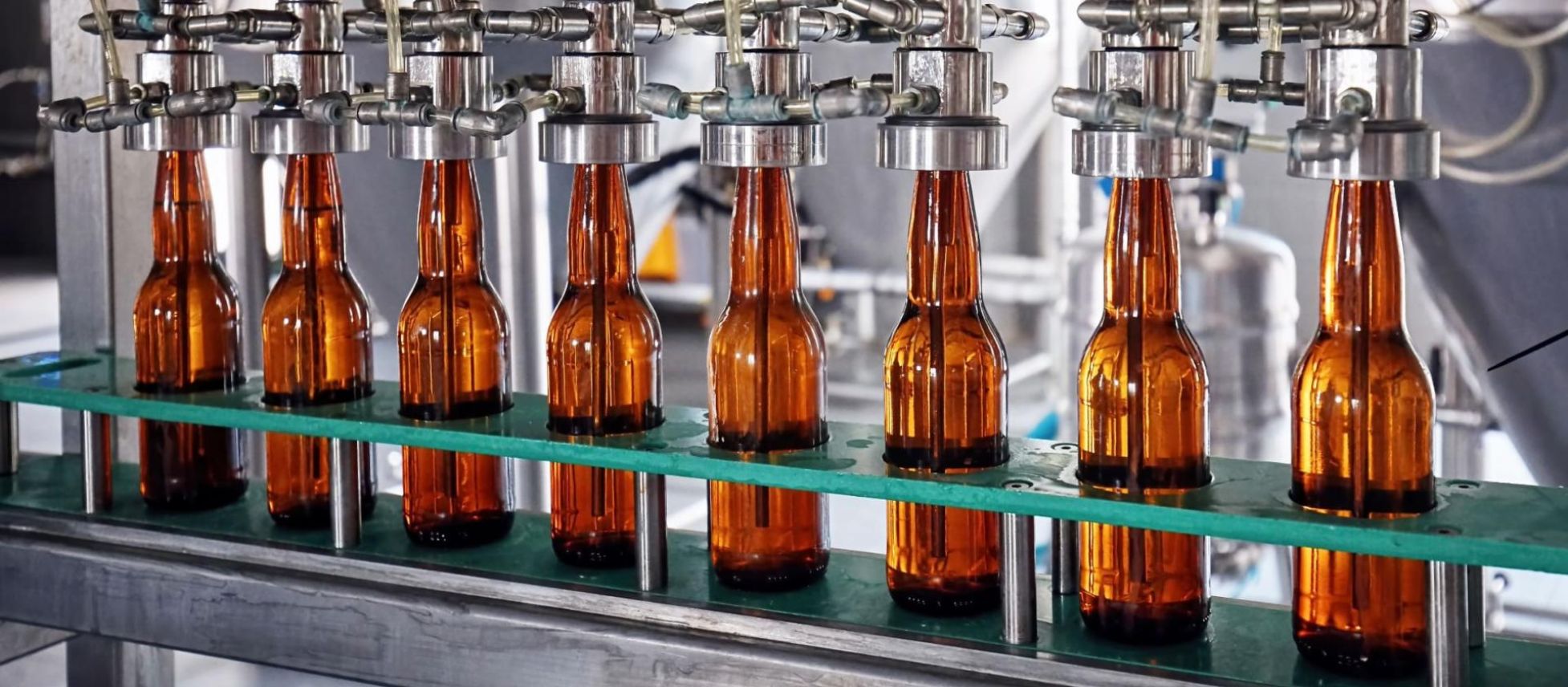
Why brands must treat glass procurement as a core financial, logistical, and sustainability function—and how partners like Rockwood are reshaping what strategic packaging looks like
Glass sourcing is a strategic pillar that directly affects cost structures, sustainability compliance, supply chain resilience, and brand differentiation. For drinks producers—especially in wine, spirits, RTDs, and craft beverage categories—treating bottle sourcing as an afterthought is no longer viable. The global glass market entering 2026 is defined by volatility, regulation, consolidation, and rising technical expectations, and brands that thrive will be those that integrate packaging into forward planning, not last-minute purchasing.
Below, we unpack why glass sourcing must now sit within strategic planning—and how Rockwood is emerging as one of the few partners equipped for the new era.
1. Post-2020s Volatility Hasn’t Fully Stabilised
While the shortages of 2021–2023 have eased, structural instability persists. Energy prices remain unpredictable, furnace upgrades are creating production bottlenecks, and consolidation among major manufacturers means fewer supply points overall. Lead times are still inconsistent, forcing producers to forecast further ahead than they did pre-pandemic. For trade buyers, this means glass sourcing is no longer a “place order when needed” task. It requires scenario planning, seasonal forecasting, and locked-in production windows.
2. Energy-Driven Cost Fluctuation Is Now Permanent
Glass production is one of the most energy-intensive processes in the packaging world. As global markets shift, manufacturers’ hedging strategies are directly influencing bottle prices. Sudden spikes in energy cost can translate into significant jumps in unit price for producers relying on spot purchasing. Long-term contracting—not short-term price hunting—is now essential for budget stability.
3. Sustainability Regulations Are Reshaping the Market
Across global markets, sustainability mandates are tightening:
- EU PPWR reforms
- UK Extended Producer Responsibility (EPR)
- US state-level recycling and content regulations
These are pushing accountability back to producers, who now need suppliers capable of providing recycled-content documentation, lightweighting solutions, digital product passports, and compliance reporting. Given glass’s recyclable advantage—each tonne of recycled glass saves 580 kg of CO₂, cuts air pollution by 20%, and reduces water pollution by 50%—brands need partners who can help them maximise sustainability without compromising aesthetics.
4. Consolidation Has Reduced Negotiation Power
With fewer large-scale manufacturers, brands, especially mid-sized ones, have less leverage. Securing furnace space, production slots, or even preferred moulds increasingly depends on relationship-building, not purchase order volume. This is one reason many brands are turning to hybrid suppliers capable of offering end-to-end solutions, rather than traditional glass-only manufacturers.
5. Imports vs Local: The Cost Equation Has Changed
Offshore glass (China, India, Turkey) is no longer automatically cheaper. Freight volatility, port delays, carbon reporting requirements, and currency fluctuations have changed the math. The trade is now adopting dual-source models, balancing offshore manufacturing with regional partners to minimise risk.
6. MOQ Pressures and the Rise of Planning Culture
Manufacturers are raising MOQs to maximise furnace efficiency. Brands now must:
- plan demand further out
- consolidate purchases across SKUs
- work through bottlers or co-packers
- use multi-brand order consolidation
This shift has forced procurement to become a long-horizon supply chain discipline.
7. Premiumisation Demands Earlier Packaging Involvement
As premium spirits and luxury wine grow, so does the need for unique silhouettes, embossing, specialty closures, and lightweight designs. Packaging teams now must collaborate with marketing, engineering, and design from the earliest NPD stages—not at the end. And this is where companies like Rockwood step in.
Rockwood: A Next-Generation Packaging Partner for a Changing Market
Rockwood is uniquely positioned for 2026’s sourcing realities because it combines glass manufacturing, ceramic production, bottling, closures, bulk spirits, and premium packaging within one integrated ecosystem. Some of the key advantages that Rockwood provides are:
• Strategic, stable production
With French-owned operations and long-standing manufacturing expertise in China, Rockwood offers consistent lead times and high-volume capability—even as global supply fluctuates.
• Customisation at scale
Rockwood produces over 500 million classic and bespoke glass and ceramic bottles annually, with capabilities across embossing, colour, shaping, and closure engineering.
• Cost efficiency + sustainability
Lightweighting options, recycled content solutions, and access to efficient forming processes support both environmental targets and cost optimisation.
• Turnkey bottling in a duty-free zone
Its EPZ bottling facility near Shanghai allows brands to bottle without “Made in China” references—maintaining origin integrity while benefiting from competitive production economics.
• USA import and storage support
Rockwood’s U.S. presence allows smaller or mid-sized producers to begin with modest PO sizes and store inventory locally.
• Integrated closures and premium packaging
Everything from T-caps and ROPP closures to custom gift boxes is produced under one network—reducing sourcing fragmentation and risk.
Glass Sourcing in 2026 Is Strategy, Not Logistics
From energy cost volatility to regulatory pressure, consolidation, and premiumisation trends, packaging has become a strategic decision that impacts brand identity, sustainability, and financial planning. Brands that invest in long-term, resilient partnerships—and treat packaging as a foundational element of their business model—will be the ones best positioned for growth.
Rockwood represents the future of that strategic approach: a partner offering reliability, customisation, sustainability, global logistics, and end-to-end control in an era where packaging is no longer optional planning, but critical strategy.
Get Your Visitor Tickets Here and join the bulk and private label industry in London on March 25-26, 2027. (Trade is free)