

Blog
Insights
Beyond the Glass: Zoe Burgess on Flavour, Innovation and No & Low
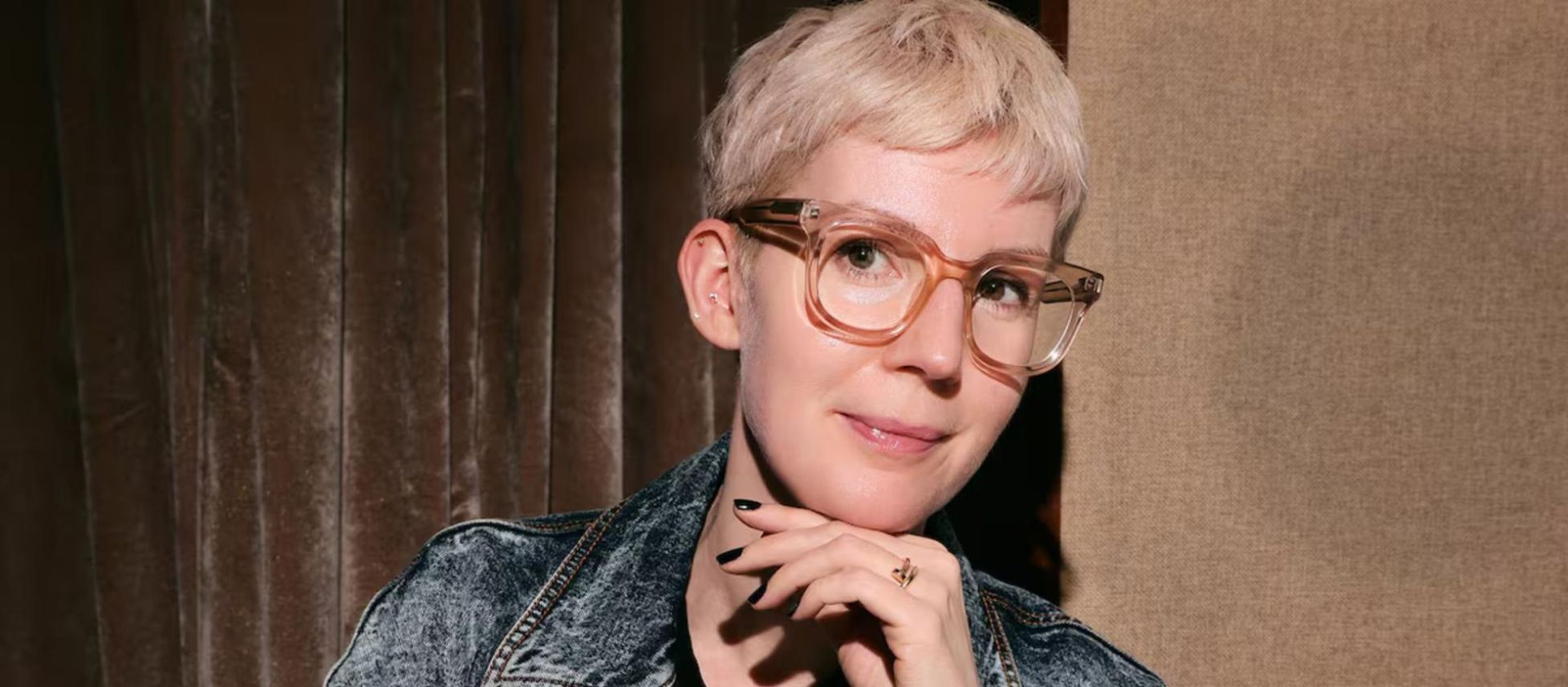
Flavour first: Zoe Burgess on tomorrow's beverage innovation.
The drinks industry often talks in categories: wine, spirits, cocktails, beer, or no- and low alcohol. Zoe Burgess has built her career thinking differently. As founder of beverage consultancy Atelier Pip, her work starts not with the type of drink, but with flavour itself. That perspective has allowed her to move seamlessly between categories, helping brands, venues and producers create drinks that resonate with consumers through science, creativity and sensory experience.
Ahead of joining the No & Low panel at IBWSS UK and as a judge at the London Wine Competition, Burgess shares why flavour should sit at the heart of product development, why memorable drinks extend far beyond what's in the glass, and where she believes the next wave of beverage innovation is heading.
1. You’ve built your career around understanding flavour rather than focusing on a single drinks category. How has studying flavour changed the way you approach wine, cocktails and non-alcoholic drinks?
Rooting my interests and work in flavour, rather than a specific category, has kept my approach more nimble. While I have spent much of my career in the world of cocktails, the questions I ask when researching and creating are always founded in something broader: structure, balance, aroma, texture and the way we perceive and value flavour.
It’s this approach that means my work with and without alcohol follows the same fundamental principles, while still respecting the particular character of each category. My flavour-forward approach has also allowed me to adapt as the market evolves, applying and expanding my knowledge without feeling as though I am starting from zero each time.
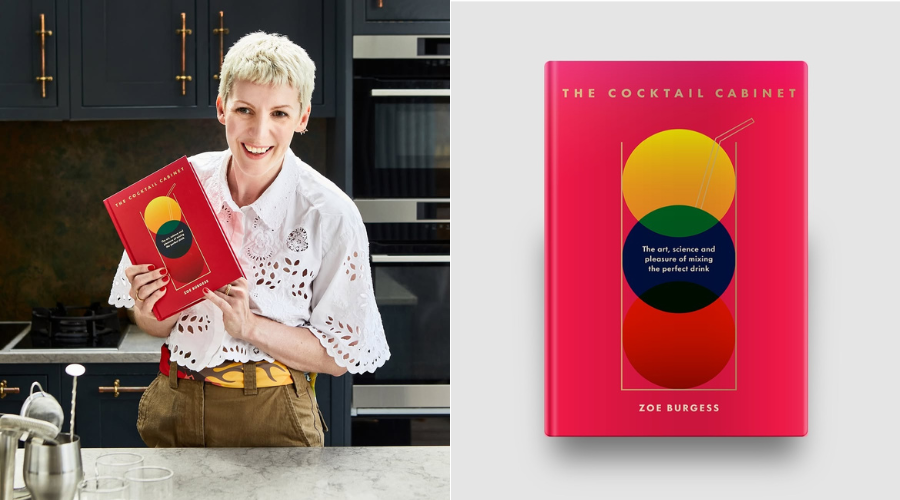
Image: Zoe published her debut cocktail book ‘The Cocktail Cabinet: The art, science and pleasure of mixing the perfect drink’.
2. Consumers today are looking for more than simply a good drink. They're looking for memorable experiences. What role does flavour play in creating those moments that people remember?
Flavour involves all five senses and is impacted by what we see, hear, touch and smell in an environment, just as much as by what we experience on the palate. It should therefore be considered holistically when creating a memorable experience. The glassware, setting, sound, presentation and sense of occasion all influence how a drink is perceived. How you present a venue or product can be just as important as what you serve.
3. You're joining our No and Low panel at IBWSS UK. The category has evolved rapidly in recent years. What separates genuinely exciting no and low products from those that simply imitate alcoholic drinks?
It is very difficult to imitate an alcoholic drink convincingly. Beer has arguably cracked it, but beer is already a complex experience in which bitterness, sweetness, aroma, carbonation, body and texture play a greater role than the alcohol itself. That’s not always the case for other products, such as wine and spirits, where alcohol contributes significantly to structure, weight, length and flavour delivery. This is why imitation products can feel incomplete or difficult to accept.
For me, the most exciting no and low products build a satisfying experience in their own right. I am particularly interested in products that create new flavour structures, rituals and ways of serving, rather than relying on comparison with an alcoholic equivalent.
4. As someone who judges drinks across multiple competitions, what consistently distinguishes outstanding entries from technically competent but forgettable ones?
Outstanding entries usually communicate a distinct idea or purpose, while the liquid is technically strong, balanced, and delicious. The best entries feel coherent, with every decision supporting the same proposition.
5. Many producers invest heavily in branding and packaging. From your perspective, how important is the sensory experience once the bottle is opened, and where do you think brands sometimes miss the mark?
Branding and packaging are particularly important in no- and low-alcohol, where consumers often need help understanding what a product is, how it should be served, and the ritual it is offering. However, the quality of the liquid is what leaves a lasting impression and drives repeat purchase.
6. Looking ahead, which flavour trends or consumer preferences do you believe will shape beverage innovation over the next five years?
I’m intrigued to see how tea-based products, or the use of tea as an ingredient, evolves.
Tea offers so much diversity of flavour, as well as ritual, which is why tea in the on-trade is growing in both interest and sales. I think it’s only a matter of time before we see more innovation in RTD tea drinks, or products using tea in unique ways.
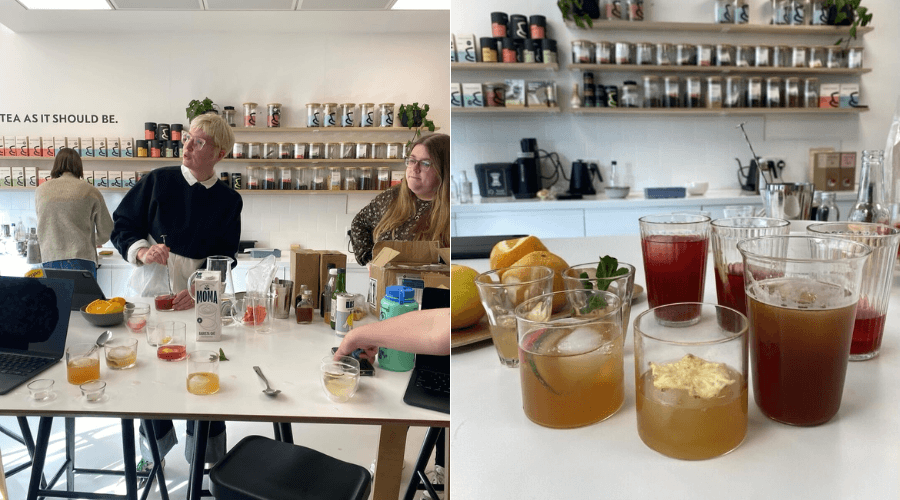
Image: Zoe Burgess crafting signature serves with tea concentrates alongside a flavour expert and friend at Good & Proper Tea. Source: Atelier Pip
7. If you could give one piece of advice to producers developing new wines or beverages today, what would it be?
Be clear about why the product needs to exist. A technically good liquid is not always enough in an increasingly crowded market. Producers should understand the occasion, consumer, and need they are designing for, and then ensure that the flavour, format, price, messaging, and serving ritual all support that purpose.
8. What inspires your curiosity about flavour, and is there a favourite food, place or experience that has changed the way you think about taste?
I am inspired by the fact that flavour is endless and something we experience every day of our lives; it’s deeply rooted in culture, memory and place, yet is also constantly evolving.
There is always more to learn, whether through a particular ingredient, a regional food tradition, or the way an individual experiences flavour. That combination of familiarity and continual discovery is what keeps me curious.
Conclusion
Across every category, from wine and cocktails to no and low alcohol beverages, Zoe Burgess returns to the same principle: great drinks begin with a clear understanding of flavour and the experience they are designed to create. As producers continue to innovate and consumer expectations evolve, she believes the brands that will stand out are those that move beyond imitation, understand the occasion they're serving, and build products with a genuine sense of purpose. Whether judging at the London Wine Competition or discussing the future of no and low at IBWSS UK, Burgess brings a perspective that reminds us that memorable drinks are never defined by alcohol content alone, but by the flavour, ritual and experience they create.
In conversation with Malvika Patel, Editor and VP, Beverage Trade Network
Also Read:
From Bulk Spirit to Global Brand: Lessons from Diageo's Global Expansion
Get Your Visitor Tickets Here and join the bulk and private label industry in London on March 25-26, 2027. (Trade is free)