

Blog
Insights
The Next Growth Story in Drinks: Laura Willoughby on No & Low
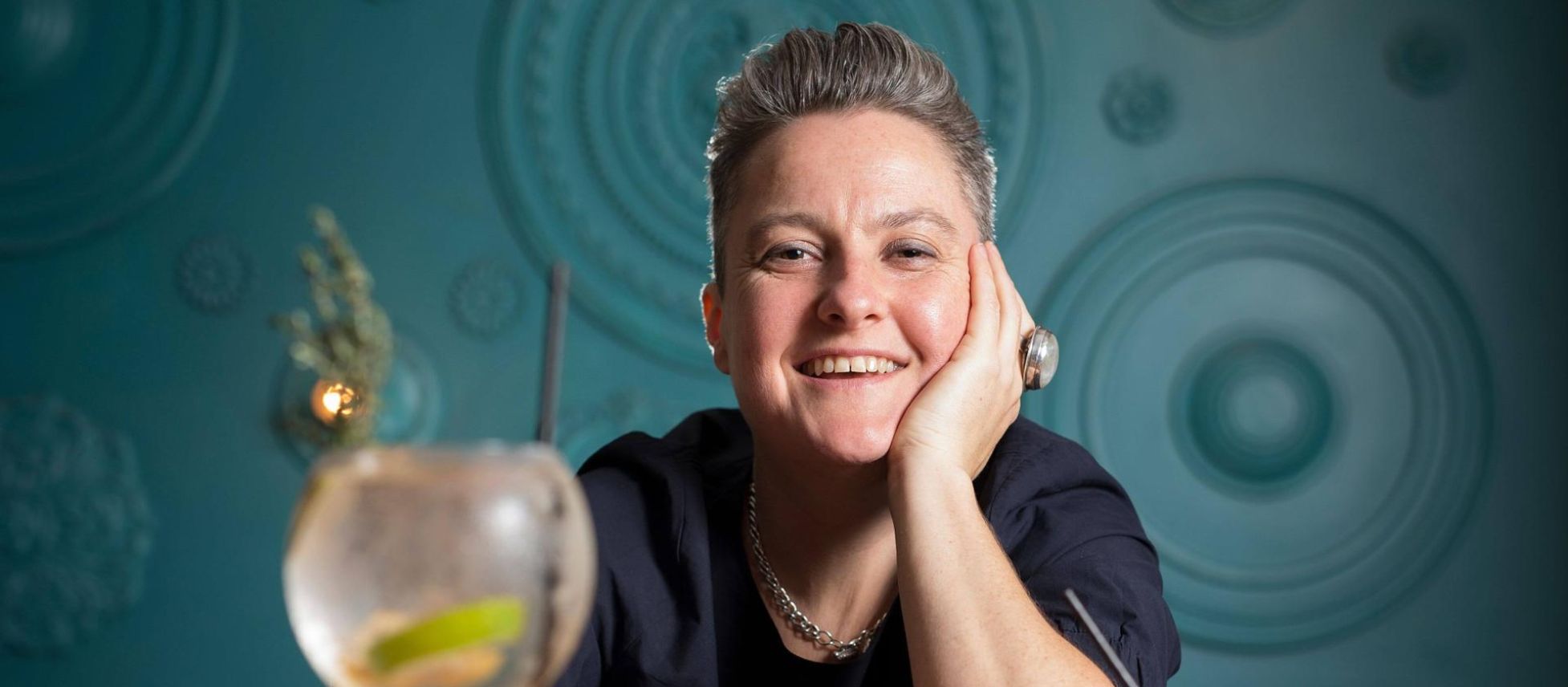
Club Soda founder explores the commercial opportunities shaping No & Low.
For more than a decade, Laura Willoughby MBE has been working to change the way the drinks industry thinks about alcohol. What began as a challenge to the idea that drinking less meant giving up socialising has evolved into a much broader conversation about choice, occasion and the role of alcohol in modern drinking culture.
As founder of Club Soda, Willoughby has spent years speaking to consumers, retailers, hospitality businesses and drinks producers about how those behaviours are changing. She will bring that perspective to IBWSS UK in March 2027 as part of the panel "No & Low Drinks in 2027: Market Trends, Innovation & Growth Opportunities."
Her argument is commercially important. No & Low should not be treated as a single alternative category, or as a market made up primarily of people who do not drink alcohol. Instead, consumers are increasingly moving between different strengths according to the occasion, making the opportunity much broader for producers, distributors, retailers and hospitality operators.
In this interview, Willoughby looks at where the next opportunities lie, why distribution and private label could play a bigger role, and what the industry still misunderstands about the modern drinks consumer.
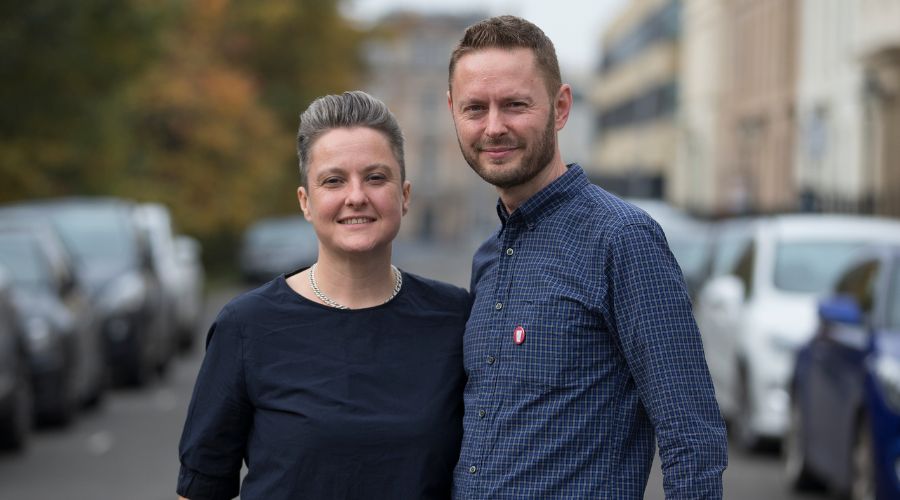
Image: Founders of Club Soda Laura Willoughby MBE and Dr. Jussi Tolvi.
Eleven years ago, convincing the trade to take alcohol-free seriously was an uphill battle. Looking back, what do you think was the defining moment when No & Low stopped being a niche category and became a genuine commercial opportunity?
I don't think there was one single moment, but alcohol-free beer was definitely the battering ram that broke the door down. Once major brewers began investing seriously, retailers gave the category proper space, and pubs started putting alcohol-free beer on draught, it became much harder for the trade to dismiss it as niche.
But the really important change was understanding who the consumer actually was.
This was never going to be a category built mainly by people who don't drink alcohol. The big commercial opportunity is people who drink alcohol but don't want alcohol every time they have a drink. They might drink alcohol-free on Tuesday, full-strength on Saturday, alternate between the two at dinner, or choose something mid-strength.
Once you understand that behaviour, the size of the opportunity suddenly looks very different. Alcohol-free isn't taking people out of the drinks market. It is giving them more reasons, occasions and times of day to stay in it.
At IBWSS UK, you'll be discussing the future of No & Low in 2027. If you were advising producers today, where would you say the biggest commercial opportunities lie over the next three to five years?
The biggest opportunity is to stop thinking of this as one category called No & Low. Consumers are building a portfolio of strengths around their lives.
Mid-strength is hugely underdeveloped. People like the idea of having two drinks at half the strength rather than one full-strength drink, particularly on social occasions. I think we will see much more innovation in wine, spirits and cocktails here.
Alcohol-free wine still has enormous headroom too. Technology and quality are moving quickly, and better wine creates opportunities in restaurants, hotels, events and food-led retail.
Then there are functional and mood-enhancing drinks. Nearly eight in ten consumers in our research were open to trying functional drinks. That creates a whole new territory built around how people want to feel, whether that's relaxed, sociable, focused or energised.
And finally, format matters. Single serves, cans, draught, half bottles and good RTDs remove barriers for both consumers and operators.
The future isn't just about making more drinks. It's about making them easier to buy, serve and enjoy.
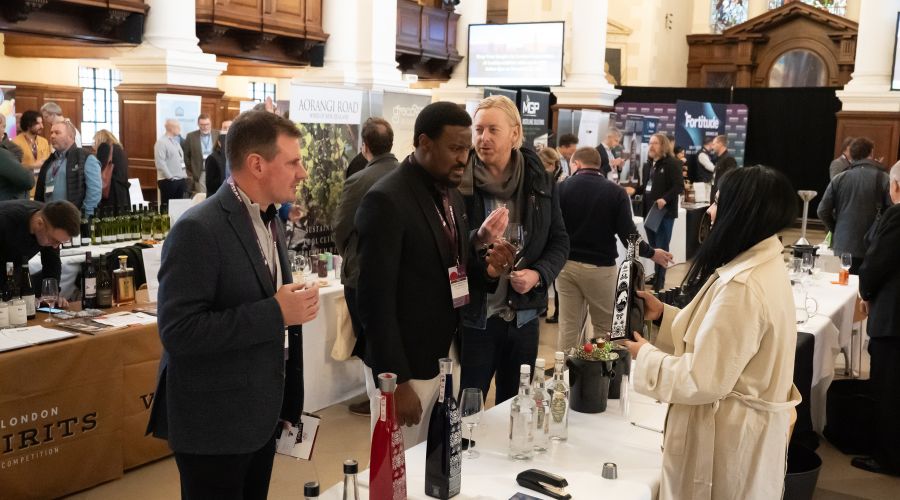
Image: 2025 IBWSS UK.
Distribution has become one of the biggest challenges and opportunities for the category. What do the best distributors understand about No & Low that others still overlook?
Every drinks distributor should now have a credible alcohol-free range. Their customers already trust them to buy their wine, beer, and spirits, so why should they have to go somewhere else for the alcohol-free part of their drinks list?
And importantly, this is largely additional order value. Venues aren't replacing all their alcohol with alcohol-free. They are adding different strengths to meet changing customer demand.
I speak to large hospitality businesses, including Searcys, who tell me they simply want their existing specialist wholesalers to give them good-quality alcohol-free choices. They don't want another supplier, another account and another delivery to manage. They want the wholesalers they already trust to offer a proper range across alcohol-free, mid-strength and full-strength drinks.
The best distributors understand that this is still a discovery category too, so simply putting a few products on a list isn't enough. They curate a range, educate their customers, help them understand occasions and give them the confidence to sell it.
There is a huge opportunity here for distributors. Their customers are asking for these drinks and consumers increasingly expect them. The winners will be the wholesalers who make buying across different strengths as easy and normal as buying across different wine regions or beer styles.
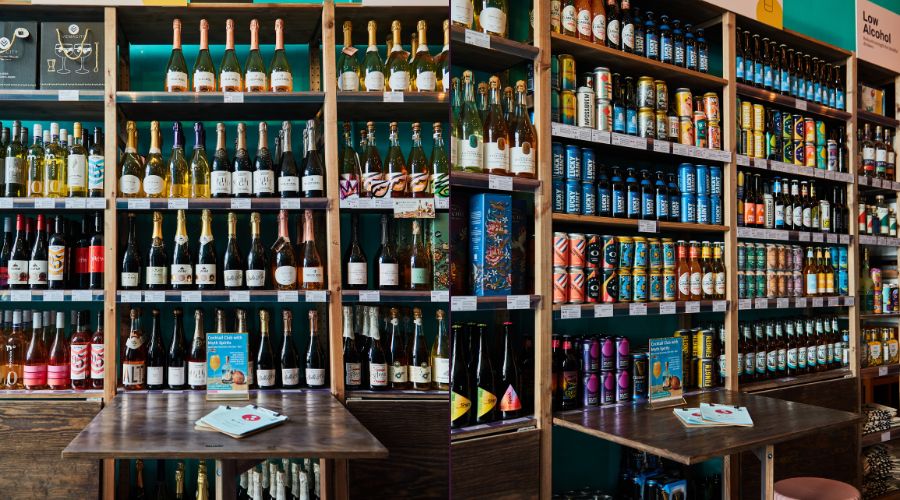
Image: Club Soda Tasting Room Shop Shelves, credit@becabjones160
Private label is becoming increasingly important across beverage categories. Do you see meaningful opportunities for private label in No & Low, and what will separate successful programmes from products that simply compete on price?
Absolutely. Private label could play a really important role in normalising alcohol-free and mid-strength drinks, particularly in wine, beer, RTDs and occasion-led products.
But the danger is assuming that because the alcohol has gone, price becomes the main consideration. It doesn't.
Taste is the repeat-purchase mechanic in this category.
Consumers have already spent years being disappointed by poor alcohol-free products, so they are quite unforgiving. A cheap product that doesn't deliver simply confirms their old prejudices about the whole category.
The successful private-label programmes will start with quality and then think about the occasion.
What is this drink for? Is it a Tuesday-night wine, something for the barbecue, a celebration bottle, an aperitif or something you grab with lunch?
Retailers also have an enormous advantage because they understand their customers and have the data. Use that knowledge to create something those customers genuinely want, rather than simply producing a cheaper version of whatever is already on the shelf.
You've spent years talking to consumers, retailers, hospitality operators and producers. What's one assumption the drinks industry still gets wrong about today's No & Low consumer?
That the alcohol-free consumer doesn't drink alcohol.
It is probably the single most persistent misunderstanding in the category.
Today's consumer moves between alcohol-free, mid-strength and full-strength drinks depending on the day, the occasion, what they're doing tomorrow and simply how they feel.
Zebra striping, alternating between alcoholic and alcohol-free drinks during the same occasion, is becoming normal behaviour. This is not just about the designated driver.
That changes how you should think about everything from merchandising to marketing. Alcohol-free isn't necessarily competing with the bottle of wine in someone's basket. Quite often it is sitting next to it.
Consumers aren't joining Team Alcohol or Team Alcohol-Free and wearing the shirt forever. They just want more control.
Once the industry stops trying to put people into those two boxes, there is a much bigger commercial opportunity sitting in front of us.
As a judge at the London Wine Competition, you're evaluating products through the lens of quality, value and consumer appeal. Has the rise of mindful drinking changed what commercial success looks like for drinks brands?
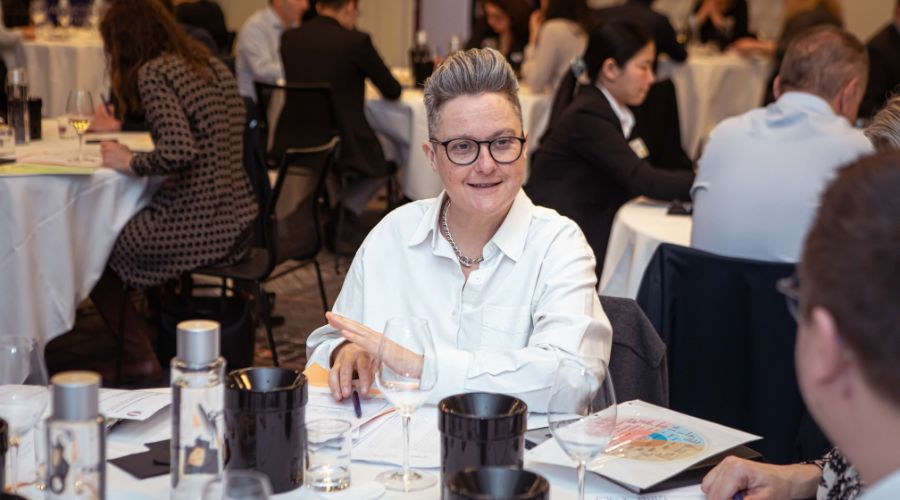
Image: Laura Willoughby MBE.
Yes, but it certainly hasn't made consumers less demanding. If anything, it has raised the bar.
Being alcohol-free, lower-strength, sustainable, or functional might persuade somebody to pick up a bottle for the first time, but it won't persuade them to buy it twice if it doesn't taste good.
Commercial success now means understanding that ABV is simply one attribute of the drink. Consumers are looking at flavour, quality, value, ingredients, packaging, occasion and how a product fits into their lives.
Mindful drinking has also created more occasions. A wine doesn't only have to compete for Friday night anymore. There is the working lunch, Tuesday dinner, the person driving home, the second glass, the event where somebody wants to stay sharp, or the drink before moving on to something full-strength.
For judges, buyers and producers, I think the fundamental test remains refreshingly simple: is it delicious, is it worth the money, and would somebody want another one?
Looking ahead to 2030, what do you hope we'll no longer be saying about No & Low drinks?
I hope we're no longer calling moderation a trend.
I hope we're not asking whether there is "enough demand", talking about alcohol-free as an alternative, or congratulating a venue because it has managed to locate one lonely bottle of beer at the back of the fridge.
By 2030 I'd like strength to be treated much more like any other characteristic of a drink. You choose something because of its flavour, occasion, style and how you want to feel, and ABV simply helps you make that choice.
I'd also like alcohol-free and mid-strength drinks to be completely ordinary in restaurants, pubs, hotels, shops, events and travel. Available, visible and celebrated, rather than something you have to hunt down or make a special request for.
The real victory will be when we don't need to have quite so many conversations about them because good drinks at different strengths have simply become part of our drinking culture.

Image: Team from BODA sober socials at Club Soda.
What's something you've discovered recently, whether it's a book, place, hobby, or experience, that has genuinely inspired or surprised you?
I've become slightly fascinated by the way younger people are creating social occasions that don't revolve around alcohol at all.
Late-night dessert places, bubble tea shops, theatre, food experiences, places that are packed in the evening but where drinking isn't the main event.
I look at some of it with a little envy because my generation managed to lose an extraordinary number of weekends to the pub.
What I find inspiring is that people clearly haven't lost the desire to go out, meet people, treat themselves and have fun. They're just expanding the ways they do it.
For someone who has spent years arguing that drinking less doesn't mean socialising less, it's rather lovely to see that playing out in real life.
Conclusion
Willoughby's view of No & Low is ultimately less about alcohol and more about choice. The consumer she describes isn't abandoning drinks, but building a more flexible repertoire around different occasions, strengths and desired experiences.
That distinction has significant implications for the trade. Producers need to think beyond imitation and category labels. Distributors have an opportunity to make different strengths part of their existing portfolios. Retailers can use customer data to develop products and formats around specific occasions, while hospitality operators can make No & Low a normal part of the drinks experience rather than a specialist offering kept in reserve.
Her message for the industry is particularly relevant as it looks towards 2027 and beyond: the opportunity isn't simply to sell more alcohol-free drinks. It is to make different levels of alcohol, formats and drinking occasions part of the same drinks ecosystem.
And perhaps the most useful line for producers, buyers and distributors is the simplest one:
"Taste is the repeat-purchase mechanic in this category."
In conversation with Malvika Patel, Editor and VP, Beverage Trade Network
Also Read:
Beyond the Glass: Zoe Burgess on Flavour, Innovation and No & Low
IBWSS UK 2027: A New Chapter for the Global Beverage Business Begins in London
Get Your Visitor Tickets Here and join the bulk and private label industry in London on March 25-26, 2027. (Trade is free)