

Blog
Insights
Johnnie Walker's Long Game: Emma Walker on Blending for the Future
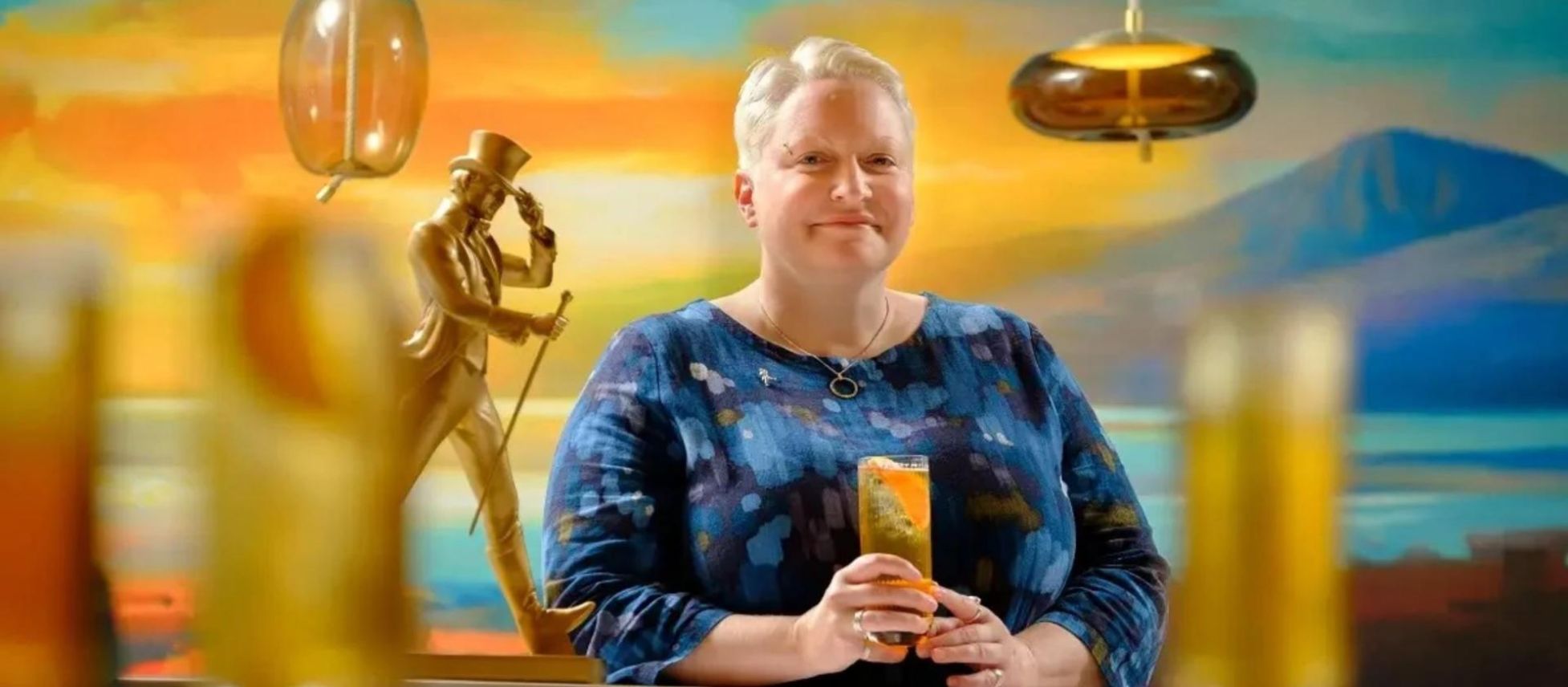
The Master Blender on managing millions of maturing casks, changing consumer tastes, and protecting flavour across generations
A whisky being bottled today may have been set in motion decades ago for Emma Walker, Master Blender at Johnnie Walker, which makes looking ahead a central part of the job. Decisions about distillation, maturation and inventory have to account for what the business will need years into the future, while leaving enough flexibility to respond to changing tastes and market conditions along the way.
Working with Diageo's Scotch inventory, planning and maturation teams, Walker balances long-term forecasting with the demands of blending and bottling today. That means maintaining the established flavour profiles of Johnnie Walker and other whisky brands while keeping room for experimentation, new flavour directions and different consumer preferences.
In this interview, Walker explains how a large whisky inventory supports both consistency and innovation, and why she believes international distillers should stay close to bartenders and their understanding of consumers.
You oversee access to more than 10 million maturing casks. At that scale, how far in advance is a blend like Johnnie Walker planned, and how much room is there to react to today's market versus decisions made a decade ago?
We are continually both planning and adjusting with our Scotch Inventory Manager, Planning and Distillation & Maturation teams – from planning what we think we need to distill and transfer into cask today for the short and long term future, to reviewing what is needed for blending and bottling today and 3, 12, 21 years in the future, so we’re always trying to look ahead and anticipate trends while adjusting and reacting to changes today, while maintaining quality, character and flavour!
As the first female Master Blender in Johnnie Walker's 200-year history, has that changed how you think about who a "typical" Scotch drinker is, or how the brand should be evolving to reach new consumers?
What’s exciting about our industry is that we’re always learning more and feeding our natural curiosity about how we make our whisky and continue to innovate in this space, while trying to understand more about the ‘typical’ Scotch drinker is essential. We’re continually reviewing and adapting our understanding of what Whisk(e)y drinkers are looking for and what excites them.
Consumer palates and drinking occasions have shifted a lot in the last few years — lighter, more sessionable, more curious. How much of that actually filters into blending decisions at Diageo's scale, versus staying anchored to a consistent flavour signature?
We have to be able to flex within this space – we need to have the inventory to be experimental and explore more approachable, sweeter whiskies alongside the world of bold, flavourful character, while also maintaining classic flavour profiles for our established whisky brands, both in blended whisky and single malts!
What's your honest view on where whisky consumption is genuinely growing right now, and is that where Diageo's blending and sourcing focus is shifting too?
I think all of us, as whisky consumers, are feeling more pressure on our bank balances, so ensuring we have a range of high-quality options across our whisky brands and price points, including through bottle sizes, which are all delivery quality, flavour and luxury for our consumers around the world.
For a distillery or bulk liquid producer hoping to eventually supply into a portfolio like Diageo's, what actually earns a second look from your team?
Quality, character and consistency – we’re looking for distinct character (flavour, aroma, texture) that can be consistently delivered so we can match this into our inventory and plan how to use this across our range of brands.
Flavour trends move fast in spirits right now — cask innovation, unusual finishes, category blurring. How do you decide what's a genuine shift is worth building into a blend versus a trend that will pass?
Our inventory is such that we have a wide range of flavours and characters, along with a continual range of experiments, which means we can flex to deliver trends - or hopefully be ahead of them!
If you had to point international distillers toward the one macro shift in the market they should be paying closest attention to right now, what would it be?
I would struggle to definitively point to one macro shift – but I would always recommend staying close to bartenders, tapping into their knowledge and direct connection with consumers!
Is there a hobby or interest of yours that would surprise people who only know you through Diageo?
Where possible, when I’m travelling for work, I try to visit an art gallery specialising in local art and heritage – being able to view works of art from artists I don’t know or those I do in different contexts is amazing! And I’ll always look to see what gigs are on to see if I can sneak away for some music!
Header Image Source: Diageo
In conversation with Malvika Patel, Editor and VP, Beverage Trade Network
Also Read:
From Bulk Spirit to Global Brand: Lessons from Diageo's Global Expansion
Beyond the Glass: Zoe Burgess on Flavour, Innovation and No & Low
The Next Growth Story in Drinks: Laura Willoughby on No & Low
Get Your Visitor Tickets Here and join the bulk and private label industry in London on March 25-26, 2027. (Trade is free)